Losing a dog can be a scary experience. One of the most important things a shelter, veterinarian, or animal rescue can do when a lost dog is found is check for a microchip.
A dog microchip can provide a permanent way to identify a pet. However, the microchip itself does not contain your name, phone number, or home address. It contains a unique identification number that can be connected to your contact information through a pet microchip registry.
So, what actually happens when a lost dog is microchip scanned?
The process is quite simple. A scanner reads the microchip number, the number is searched in a microchip database, and if the chip is properly registered with current information, the registry can help connect the dog with its owner.
What Is a Dog Microchip?
A dog microchip is a tiny passive RFID device placed under a dog’s skin. It is usually implanted around the area between the shoulder blades.
The chip does not use a battery and does not work like a GPS tracker. Instead, it stays inactive until a compatible scanner is placed close to it. The scanner sends a radio signal to the chip, and the chip responds by sending its unique identification number back to the scanner.
The microchip number is the key to the recovery process.
Think of it like a permanent ID number for your dog. The number itself does not tell someone where your dog lives. It must be connected to a registration record that contains the owner’s contact information.
Step 1: The Lost Dog Is Taken to a Safe Place
When someone finds a lost dog, they may take the dog to a veterinary clinic, animal shelter, rescue organization, or animal control facility.
The staff will usually check the dog for identification. This may include looking for a collar or ID tag and scanning for a pet microchip.
A microchip is especially useful when a dog is not wearing a collar or when the collar has fallen off.
Step 2: The Dog Is Scanned for a Microchip
The staff uses a handheld microchip scanner and moves it over the dog’s body.
The scanner is placed close to the skin because pet microchips have a short reading range. If the scanner detects a chip, the unique identification number appears on the screen.
The scan itself is quick and does not require a procedure or surgery.
The important thing to understand is that the scanner does not show the owner’s name or phone number.
It only reads the identification number stored on the microchip.
Step 3: The Microchip Number Is Looked Up
After the scanner finds the chip, the staff needs to search the microchip number in a registry or lookup system.
This is where pet microchip registration becomes very important.
NMR’s microchip lookup allows a 9-, 10-, or 15-digit microchip number to be entered without spaces or punctuation to check whether the number is registered with NMR.
You can also learn more about the process in NMR’s guide on [what happens when a pet microchip is scanned].
Step 4: The Registry Helps Connect the Dog to Its Owner
If the microchip is registered and the contact information is current, the registry can help identify the owner.
For example, NMR says that when a registered microchip number is found in its system, the registry has the pet owner’s name, address, and email information.
The shelter, veterinarian, or other authorized person can then use the available information to contact the owner and let them know that their dog has been found.
This is why simply having a microchip is not enough. The chip needs to be registered.
What If the Microchip Is Not Registered?
Sometimes a dog has a microchip, but the chip is not connected to an owner record.
In this situation, the scanner can still read the microchip number. However, the number may not provide enough information to contact the dog’s family.
This can make the recovery process much harder.
The same problem can happen when a pet’s registration information is old. For example, the owner may have moved to a new address, changed their phone number, or changed their email address without updating the registry.
NMR explains that incorrect or missing owner information can prevent a microchipped pet from being returned to its owner.
What If the Owner’s Information Is Outdated?
An outdated registration can be almost as difficult as having no registration.
Imagine that your dog gets lost after you move to a new home. The dog is found and scanned, but the microchip is still connected to your old address and an old phone number.
The shelter may have trouble reaching you.
That is why pet owners should check their microchip information from time to time and update it whenever important contact details change.
You can also read NMR’s guide on how to check if your pet’s microchip is registered to learn how to verify your pet’s registration status.
Can a Microchip Track a Lost Dog’s Location?
No.
A standard pet microchip is not a GPS tracker. It does not show your dog’s live location, send you a location alert, or allow you to follow your dog on a map.
The microchip only provides an identification number when it is read by an appropriate scanner.
For this reason, it is still a good idea to use a collar and ID tag along with a registered microchip.
The collar can provide quick visible identification, while the microchip provides a permanent form of identification if the collar is lost.
Can You Scan Your Dog’s Microchip With a Phone?
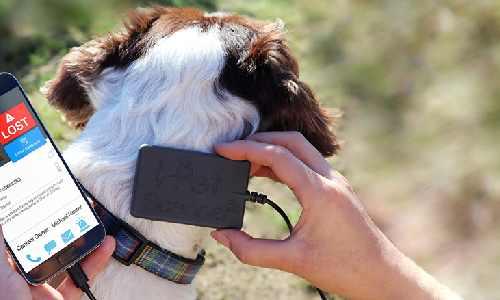
A regular smartphone cannot normally replace a professional pet microchip scanner.
Standard pet microchips use RFID technology and are designed to be read by compatible scanners. Veterinary clinics, shelters, rescue groups, and animal control facilities commonly use these scanners to check found pets.
If you do not know your dog’s microchip number, ask your veterinarian, shelter, or rescue organization to scan your dog.
Once you have the number, you can use an appropriate microchip lookup service to check the registration.
What Happens If a Lost Dog Has No Microchip?
If a lost dog has no microchip, the recovery process may depend on other forms of identification.
The finder may check for:
- Collar and ID tag
- Rabies or license information
- Veterinary records
- Shelter or rescue records
- Lost pet reports
- Local lost-and-found pet listings
Without a microchip or other reliable identification, it can be much harder to connect the dog with the correct family.
That is why permanent identification is an important part of responsible pet care.
Why Microchip Registration Matters
A microchip only becomes useful for owner recovery when its identification number is connected to accurate registration information.
The basic process looks like this:
Lost dog → Microchip scan → Unique ID number → Registry lookup → Owner information → Contact owner → Dog reunited with family
Each step matters.
If the dog does not have a chip, the process cannot begin through microchip identification.
If the chip is not registered, the number may not lead to the owner’s information.
If the contact details are outdated, the shelter or veterinarian may not be able to reach the owner.
That is why registering your dog’s microchip and keeping the information current are both important.
How to Register Your Dog’s Microchip
If your dog has a microchip but you are not sure whether it is registered, start by finding the microchip number.
You can check your dog’s veterinary records, adoption paperwork, breeder documents, or previous registration paperwork. If you cannot find the number, ask a veterinarian or animal rescue organization to scan your dog. NMR notes that these professionals can provide the microchip number after scanning.
After you have the number, check its registration status.
If you need to register your dog’s microchip, you can use NMR’s pet microchip registration page.
Make sure your name, phone number, email address, and other contact details are accurate.
When Should You Check Your Dog’s Microchip Information?
You do not have to wait until your dog gets lost to check the registration.
It is a good idea to check your information after:
- Moving to a new home
- Changing your phone number
- Changing your email address
- Adopting a dog
- Transferring ownership
- Updating important contact information
- Getting a new microchip
- Discovering that you are unsure where the chip is registered
Checking your dog’s registration before an emergency can save time later.
If you recently adopted a dog, this is especially important. The dog may already have a microchip, but the previous owner’s information may still be connected to it.
What Should Every Dog Owner Remember?
The most important point is simple: a microchip is only one part of the recovery system.
The scanner reads the chip’s unique ID number. The registry connects that number to owner information.
So, if your dog has a microchip, make sure you also:
- Know your dog’s microchip number.
- Check where the microchip is registered.
- Keep your contact information updated.
- Update the record after moving or changing phone numbers.
- Use a collar and ID tag as additional identification.
- Ask your veterinarian to scan the chip when needed.
You can also read NMR’s guide on how to register a pet microchip online for more information about the registration process.
Frequently Asked Questions
Does a microchip show my dog’s name when scanned?
No. The scanner normally reads the unique identification number stored on the microchip. The owner’s contact information is kept in the associated registry rather than directly on the chip.
How long does it take to scan a dog for a microchip?
The scan itself can be completed very quickly. The scanner is moved over the dog’s body until it detects the chip and displays its identification number.
What if my dog’s microchip is registered but my phone number changed?
Update the registration information as soon as possible. An old phone number can make it difficult for a shelter or veterinarian to contact you if your dog is found.
Can a microchip tell me where my lost dog is?
No. A standard pet microchip is not a GPS device and does not provide live location tracking.
Where can I check my dog’s microchip registration?
You can use NMR’s microchip lookup service to check whether a 9-, 10-, or 15-digit microchip number is registered with NMR.
What if my dog has a microchip but it is not registered?
Register the microchip with an appropriate pet registry and make sure your contact information is correct. You can register your pet’s microchip with NMR to create a registration record.
Final Thoughts
When a lost dog is microchip scanned, the scanner reads a unique identification number. That number can then be searched through a pet microchip registry.
If the chip is registered and the owner’s information is current, the lookup can help connect the found dog with its family.
The process is simple, but registration and updated contact information make a big difference. A microchip cannot track your dog’s location, but it can provide permanent identification when a lost dog reaches a veterinarian, shelter, rescue organization, or animal control facility.
If your dog already has a microchip, take a few minutes to check its registration information today. If it is not registered, register your dog’s microchip with NMR and keep your contact details updated. That small step can make it much easier for someone to reach you if your dog is ever found.
.