Every dog owner hopes their furry companion will always stay safe by their side. Whether your dog enjoys daily walks, playing in the backyard, or accompanying you on family trips, unexpected situations can happen. A loud thunderstorm, fireworks, an accidentally open gate, or even a moment of distraction can cause a dog to run away.
While collars and ID tags are essential, they aren’t foolproof. They can break, slip off, or become unreadable over time. That’s why veterinarians and animal welfare organizations recommend microchipping every dog. But here’s something many pet owners don’t realize—a microchip is only truly effective when it is registered.
A registered dog microchip links your pet’s unique microchip number to your contact information, making it easier for veterinary clinics, animal shelters, and rescue organizations to reunite you with your dog if they ever become lost.
If your dog has already been microchipped but the chip hasn’t been registered, or if your contact details have changed, now is the time to update your information.
???? Register your dog’s microchip today: https://nmr.pet/register
What Is a Dog Microchip?
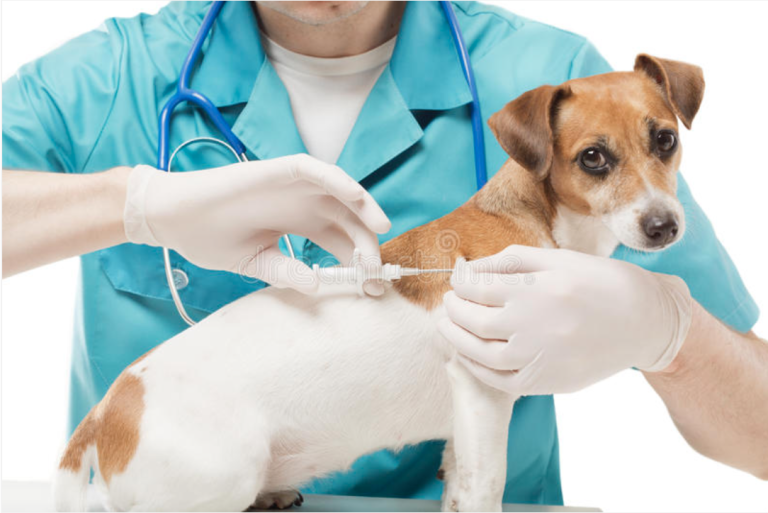
A dog microchip is a tiny electronic identification chip, about the size of a grain of rice, that is safely implanted beneath your dog’s skin—usually between the shoulder blades. The procedure is quick, safe, and causes minimal discomfort, similar to a routine vaccination.
Unlike GPS trackers, a microchip does not provide real-time location tracking. Instead, it stores a unique identification number that can be read using a universal microchip scanner.
When a lost dog is taken to a veterinary clinic, animal shelter, or rescue organization, staff scan the microchip. The scanner displays the unique identification number, which is then matched with the owner’s details stored in a secure pet microchip registration database.
If the information is accurate and up to date, the owner can be contacted immediately, increasing the chances of a quick and happy reunion.
How Does a Registered Dog Microchip Work?
Many pet owners mistakenly believe that once a veterinarian implants the microchip, their contact information is automatically stored. Unfortunately, that’s not the case.
A microchip only contains an identification number. The owner’s information must be added separately through dog microchip registration.
Here’s how the process works:
Step 1: Your Dog Is Microchipped
A veterinarian implants the microchip beneath your dog’s skin. The chip is designed to last your dog’s entire lifetime and requires no batteries or maintenance.
Step 2: The Microchip Receives a Unique Identification Number
Every microchip has its own unique number, ensuring that each dog can be individually identified.
Step 3: Register the Microchip
The unique microchip number must be linked to your contact details, including:
- Owner’s name
- Mobile number
- Email address
- Home address
- Emergency contact details
You can securely register your dog’s microchip by visiting:
Step 4: Your Dog Is Found
If your dog becomes lost and is taken to a veterinary clinic or shelter, staff scan the microchip.
Step 5: Your Contact Information Is Retrieved
Once the microchip number is found in the registration database, your contact information becomes available, allowing staff to contact you immediately.
Without registration, the scanner only displays a number, making it impossible to identify the dog’s owner.
Why Every Dog Needs a Registered Microchip
A microchip without registration is like having a key without a lock. While the chip exists, it cannot help reunite you with your pet unless your contact information is connected to it.
Here are the biggest reasons why every dog should have a registered microchip.
1. Permanent Pet Identification
Unlike collars and ID tags, which can break or fall off, a microchip remains safely under your dog’s skin for life.
It won’t:
- Fall off during walks
- Become damaged while playing
- Fade over time
- Need frequent replacement
This makes a microchip one of the most reliable forms of permanent pet identification.
2. Faster Lost Dog Recovery
Every minute matters when a dog goes missing.
A registered microchip allows veterinary clinics and shelters to identify your dog and contact you quickly. This significantly improves the chances of a fast reunion and reduces the stress of being separated from your pet.
3. Works Even If the Collar Is Missing
Dogs can lose collars while running, playing, or escaping through fences. If the collar comes off, the ID tag is gone too.
Because a microchip is implanted beneath the skin, it stays with your dog regardless of what happens to their collar.
Using both a collar with an ID tag and a registered microchip provides the highest level of protection.
4. Helps Animal Shelters Identify Your Dog
Animal shelters receive thousands of lost dogs every year.
Without proper identification, it can be difficult to locate the owner.
A registered microchip enables shelter staff to quickly access your contact details, helping your dog return home much sooner.
5. Provides Lifetime Protection
Unlike batteries that need replacing or devices that require charging, microchips are designed to last for your dog’s entire lifetime.
Once registered, they provide permanent identification with minimal maintenance.
6. Gives You Peace of Mind
Knowing your dog’s identification information is securely registered provides confidence during unexpected situations.
Whether you’re traveling, moving to a new home, or simply enjoying a day at the park, you’ll know there’s an extra layer of protection if your dog becomes separated from you.
Common Situations Where Dogs Become Lost
Even the most well-trained dogs can become lost.
Some of the most common reasons include:
- Fireworks causing fear and panic
- Thunderstorms
- Open gates or doors
- Broken fences
- Moving to a new neighborhood
- Traveling with your pet
- Car accidents
- Natural disasters
- Loud construction noises
A registered microchip can make all the difference in these situations by helping your dog find their way back home.
Collars and ID Tags Are Important—But They’re Not Enough
Many pet owners rely solely on collars and ID tags.
While they’re valuable, they shouldn’t be your dog’s only form of identification.
Collars can:
- Break
- Slip off
- Become damaged
- Lose attached ID tags
A registered dog microchip remains safely beneath the skin and continues to identify your dog even if their collar is missing.
For maximum protection, experts recommend using both an ID tag and a registered microchip together.
What Happens If a Microchip Isn’t Registered?
Imagine someone finds your lost dog and takes them to the nearest veterinary clinic.
The staff scans the microchip and retrieves the identification number.
However:
- The chip was never registered.
- The phone number is outdated.
- The address has changed.
- The email no longer works.
Although your dog has a microchip, there is no reliable way to contact you.
This can delay reunification and cause unnecessary stress for both you and your pet.
Keeping your pet microchip registration updated is just as important as getting the microchip implanted in the first place.
Continue by registering or updating your dog’s microchip information today at: https://nmr.pet/register